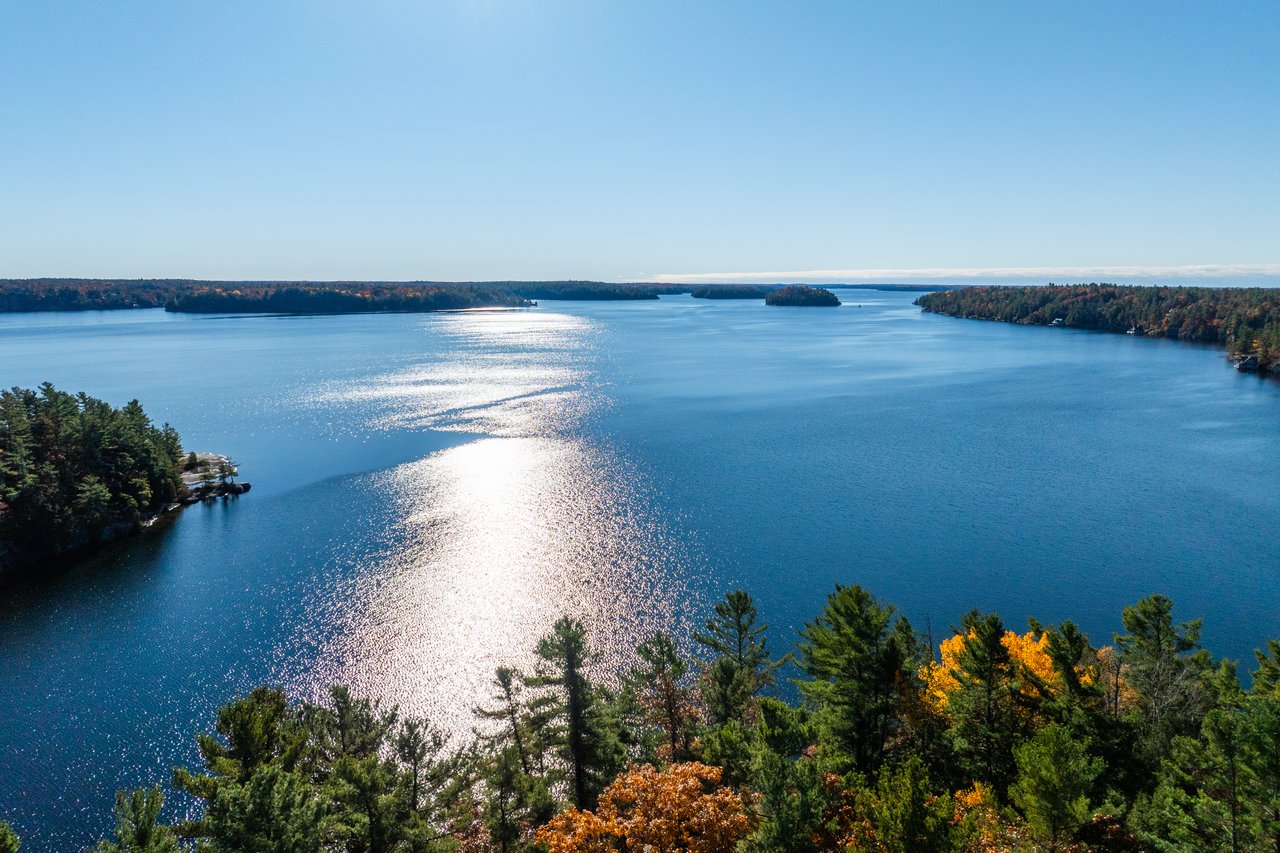
There's no better way to understand a Muskoka property than from the water. The moment you pull away from the dock and the cottage settles into the treeline behind you, the whole region starts to make sense: the scale of it, the privacy of it, the particular quality of light on a calm August morning that makes it difficult to go back to the city. We've introduced a lot of buyers to Muskoka from the water first, and it's rarely a coincidence that those are often the buyers who move fastest when the right property comes up.
Key Takeaways
- Lake Muskoka's size, depth, and waterway connections make it one of Ontario's premier destinations for boating
- The boating lifestyle is a direct driver of luxury property values; dock quality, boathouse infrastructure, and water access are critical purchase considerations
- Muskoka's marine service network supports some of the most sophisticated recreational vessels in the country
- Understanding how boating factors into year-round cottage ownership helps buyers make smarter long-term investment decisions
What Does the Boating Lifestyle Actually Look Like on Lake Muskoka?
Lake Muskoka is the largest of the Big Three lakes and the one most naturally suited to serious boating. At roughly 130 kilometres of shoreline, it offers the kind of open water that rewards a fast, well-built vessel, and enough sheltered bays and channels to make quieter, more exploratory runs equally rewarding.
What Types of Boating Do Muskoka's Luxury Cottage Owners Pursue?
The watercraft mix on Lake Muskoka reflects the range of buyers in the luxury market:
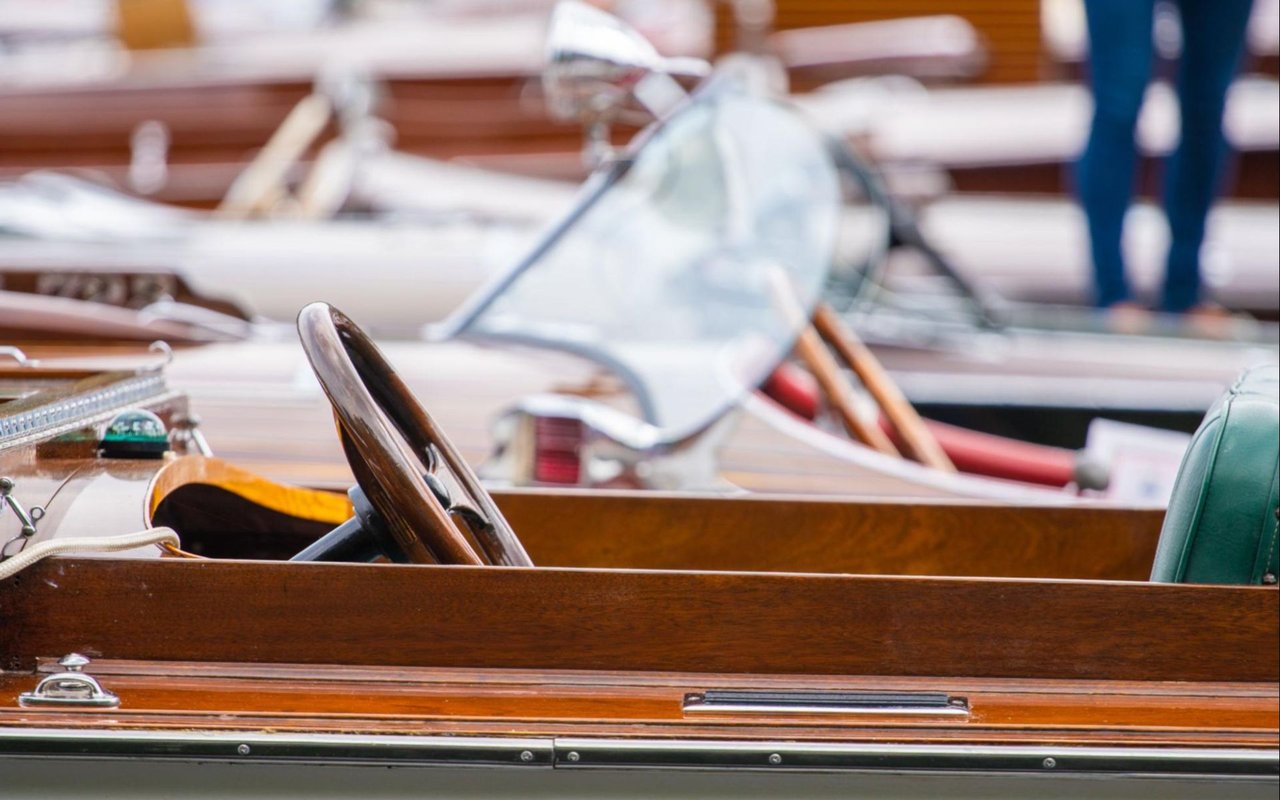
- Classic Muskoka boats: Handcrafted wooden runabouts (particularly those built by heritage builders like Ditchburn and Minett-Shields) are a point of deep pride on these lakes, and maintaining one is a lifestyle commitment unto itself
- High-performance fibreglass runabouts: The practical choice for buyers who want serious speed and modern reliability without the maintenance demands of a wooden boat
- Pontoon and deck boats: Increasingly popular on luxury properties for relaxed, group-friendly cruising; a complement to a faster boat rather than a replacement
- Wakeboard and ski boats: Common on properties with the deep-water frontage and open bay exposure that makes them practical
- Electric and hybrid vessels: Growing interest among buyers who want quiet, low-impact cruising that doesn't disturb the early morning calm on the lake
How Does a Property's Boating Infrastructure Affect Its Value?
Waterfront properties in Muskoka's luxury market are not all equal from a boating perspective, and buyers who understand that distinction are better positioned to make a sound investment. The dock and the boathouse are features that cost significantly more to retrofit than to buy right the first time. While structures can be altered or rebuilt, the same can't be said about the land or water.
What Boating Infrastructure Should Luxury Buyers Evaluate in a Muskoka Property?
- Boathouse slip configuration: Single versus double slip, ceiling height for larger vessels, and whether the structure can accommodate a hydraulic lift; all of these affect what you can actually keep on the property
- Dock length and water depth: Shallow-water properties may look beautiful, but limit what can be docked without a floating dock extension or dredging, both of which involve permitting complexity in Ontario
- Hydraulic boat lifts: Standard on high-end properties and worth verifying; a well-maintained lift protects a significant asset and makes daily launch and retrieval effortless
- Marine power and fuelling infrastructure: Shore power for overnight charging, fuel docks nearby or on-property, and the capacity to run multiple vessels simultaneously
- Proximity to marine services: Lake Muskoka is well-served by marinas and service providers, but the distance and ease of access from a specific property matters, particularly for owners of classic wooden boats that require specialist care
What Should Buyers Know About Boating Regulations on Lake Muskoka?
Boating on Lake Muskoka is governed by a combination of federal Transport Canada regulations and local rules that affect everything from vessel speed to dock construction. Buyers new to the region sometimes underestimate how directly these regulations shape the practical experience of ownership.
What Regulatory and Seasonal Factors Affect Boating on Lake Muskoka?
- Speed and no-wake zones: Designated areas around docks, channels, and high-traffic sections of the lake where speed restrictions apply; knowing where these fall relative to a specific property is relevant to how freely you can use the water directly in front of it
- Dock and boathouse permitting: Shoreline structures are tightly regulated in Ontario, and new docks or boathouse alterations often require approvals from the municipality, MNRF, and sometimes the conservation authority. Because these permits can take time—and aren’t guaranteed—it’s wise to understand what’s allowed before committing to a property that needs major waterfront work
- Operational season: Lake Muskoka's boating season typically runs from late April through mid-October, with ice-out and ice-in timing varying year to year; factoring this into the total ownership picture is important for buyers coming from year-round boating climates
- Vessel licencing and operator requirements: Transport Canada requires all operators of motorized pleasure craft to carry proof of competency, and any vessel with 10 hp or more must be licensed. These requirements are straightforward for most buyers, but they’re worth noting for those new to recreational boating in Canada.
Frequently Asked Questions
Does Boating Infrastructure Affect Insurance and Financing on Muskoka Waterfront Properties?
It can, yes. Boathouses and hydraulic lifts are typically assessed as part of the overall property value, and insurers may have specific requirements around their condition and use. We always recommend that buyers work with a local insurer experienced in Muskoka waterfront properties rather than a generalist, as the coverage considerations are different from a standard residential policy.
What's the Best Way to Assess a Property's Boating Suitability Before Making an Offer?
Walk the dock and the boathouse carefully, and if possible, view the property from the water. Check the water depth at the slip and at the end of the dock, ask about the age and service history of any lifts, and find out whether the boathouse has been modified and whether those modifications were properly permitted. We guide our buyers through all of this as part of the evaluation process.
Is It Possible to Moor a Large Vessel at a Private Muskoka Dock Year-Round?
No. While most Muskoka docks are permanent, year‑round structures, large vessels cannot remain in the water through the winter due to freeze‑up and ice pressure. Owners of larger boats typically arrange winterization and boathouse storage or haul‑out and dry storage through a local marina, many of which offer full‑service storage, maintenance, and spring commissioning.
Begin Your Muskoka Boating Lifestyle
The boating lifestyle is one of the things that makes owning a Muskoka cottage so different from owning any other recreational property in Ontario. Getting the waterfront infrastructure right (the boathouse, the dock, the lift, the water depth) is as important as the cottage itself, and it's something we pay close attention to with every buyer we work with.
Reach out to us at The Janssen Group to start the conversation. Our team knows these waters like the backs of our hands, and we're ready to help you find the Muskoka property that matches the way you want to experience life on the lake.