You've invented yourself.
Now, reinvent yourself.
And live your life exactly how you envision it.
In Muskoka.
Not far from urban life, far removed.
At first all you hear is silence.
And then you are immersed into another world.
Waves lapping at the shore, birds chirping nearby, footsteps on the dock.
Can you hear it now?
More than an invitation. A calling.
To your life, your legacy, your opportunity, to be, present.
Imagine what life is meant to be, could be.
Muskoka. Once You Discover, You will never forget it.
Lake Rosseau stands as one of the crown jewels of Ontario's Muskoka region, forming part of the legendary "Big Three" lakes alongside Lake Joseph and Lake Muskoka. This large oligotrophic lake spans approximately 6,390 hectares with 151 kilometers of pristine shoreline, including 80 kilometers surrounding its more than 60 islands. The lake reaches a maximum depth of 89 meters with a mean depth of 24 meters, resulting in the crystal-clear, aquamarine waters that have defined Muskoka's reputation as Canada's premier cottage country destination.
Often referred to as the "Hamptons of the North" or "Malibu of the North," Lake Rosseau occupies a unique position in Canadian culture. The lake has long been associated with luxury cottage living, historic resort hospitality, and an exclusive yet welcoming community atmosphere. Unlike the ultra-private enclaves found on some neighboring lakes, Lake Rosseau balances prestigious waterfront estates with vibrant social hubs, world-class resorts, and charming village communities that create an accessible yet refined cottage country experience.
The lake connects northward to Lake Joseph through the narrows at Port Sandfield and the Joseph River, while the Indian River and the historic lock system at Port Carling provide passage to Lake Muskoka to the south. This interconnected waterway system allows boaters to explore an expansive network of lakes, bays, and channels spanning hundreds of square kilometers. Water levels are regulated by a Ministry of Natural Resources dam at Port Carling under the Muskoka River Water Management Plan, ensuring consistent navigation and shoreline conditions throughout the season.
Surrounded by communities including Port Carling at the southern gateway, Minett along the eastern shore, Windermere to the northeast, Port Sandfield near the northern outlet, and the Village of Rosseau at the lake's northern tip, Lake Rosseau offers diverse lifestyle options while maintaining the serene natural beauty that has attracted visitors for over 150 years. The south end falls within the Township of Muskoka Lakes while the north end extends into Seguin Township, creating a governance structure that reflects the lake's geographic span across traditional cottage country boundaries.
The shores of Lake Rosseau hold thousands of years of human history, beginning with the Anishinaabe people who inhabited this region long before European contact. The Ojibwe people referred to the lake as "Waanakiing," meaning "the place of the big water," reflecting its prominence within their territorial landscape. Archaeological evidence indicates that Indigenous peoples utilized the Muskoka Lakes area for fishing, hunting, and establishing seasonal camps dating back at least 5,000 to 8,000 years. The lake and surrounding waterways served as vital transportation corridors and provided abundant resources that sustained communities through seasonal rounds of harvesting, trading, and ceremony.
Along the Baisong Rapids on the swift-flowing river draining Lake Rosseau into Lake Muskoka, Ojibwe families created a village called Obajewanung, meaning "narrows with a current." This community stretched toward Silver Lake and featured over 20 well-built log homes. Residents cultivated potatoes, corn, beans, and squash while harvesting game and fish from the surrounding lands and waters. The community's extensive network of woodland paths included a well-worn portage at the rapids that would later become the site of Port Carling.
The name Muskoka itself derives from Chief Mesqua Ukee of the Chippewa people, whose name translates to "not easily turned back in the day of battle." Chief Mesqua Ukee signed treaties with the Province of Canada that transferred approximately 250,000 acres of land. The lake's name honors Joseph Rousseau, a trader associated with William Robinson, who named the three major lakes while serving as a member of the House of Assembly. Robinson named Lake Muskoka after the Indigenous peoples who camped at Indian River annually, creating a naming convention that blends trading-era relationships with recognition of the region's original inhabitants.
The mid-19th century brought dramatic change as the Free Land Grant and Homestead Act of 1868 opened Muskoka to settlement, offering 200 acres to families who met specific improvement requirements. The government initially considered designating Muskoka as a large Indigenous reservation before recognizing the timber potential and the influx of immigrants into southern Ontario. Logging operations soon dominated the landscape, with timber dues funding provincial administration while loggers cut forests throughout the region. The railway reached Gravenhurst in 1875 and Bracebridge by 1885, fundamentally transforming access to the lakes.
Alexander Cockburn, often called the Father of Muskoka, introduced the Steam Age to the district by launching the Wenonah on Lake Muskoka in 1866. His advocacy led to construction of navigation locks at Port Carling in 1871 and dredging of a channel between Lake Rosseau and Lake Joseph, opening the entire lake system to steamboat travel. The Rosseau House, built by New Yorker W.H. Pratt in 1870 at the head of Lake Rosseau, became the region's first wilderness hotel and sparked the resort era that would define the lake's character for generations. Windermere House opened the same year and continues operating today as Muskoka's most prestigious historic resort.
By the late 19th century, Lake Rosseau had established itself as a destination for wealthy Americans and Canadians seeking grand summer estates. The Toronto, Simcoe, and Muskoka Junction Railway improved access from Toronto, drawing prominent families including the Eatons, founders of the renowned department store chain, who built Kawandag, a grand summer estate in the Village of Rosseau from 1906 to 1945. U.S. President Woodrow Wilson frequently vacationed on Lake Rosseau and purchased Formosa Island, cementing the lake's reputation as an exclusive haven for influential figures seeking privacy and natural beauty away from public scrutiny.
Lake Rosseau occupies a central position within Ontario's Muskoka District, located approximately 200 kilometers north of Toronto in the heart of cottage country. The lake sits at an elevation of 225 meters above sea level, positioned on the southern edge of the Canadian Shield where ancient Precambrian granite meets the mixed hardwood and coniferous forests that define the region's distinctive landscape. Geographic coordinates place the lake at approximately 45.17°N latitude and 79.58°W longitude, positioning it within easy reach of Ontario's major population centers while maintaining the remoteness that defines cottage country character.
The primary driving route from Toronto follows Highway 400 North to Exit 207 for Highway 169 North toward Bala and Minett. This scenic route winds through rolling terrain and past numerous smaller lakes before reaching the Lake Rosseau area. The journey from downtown Toronto typically requires two to two-and-a-half hours depending on traffic conditions, with summer weekends and holiday periods extending travel times significantly as cottage country traffic increases. From Toronto Pearson International Airport, the drive covers approximately 134 miles and takes roughly two hours and forty minutes under normal conditions.
Alternative routing via Highway 11 North through Barrie and Bracebridge provides access to the eastern and southern portions of the lake. From Bracebridge, Highway 118 West connects to Port Carling and the lake's southern communities. The 66-kilometer Lake Rosseau cycling loop circumnavigates the lake along regional roads, though portions of Muskoka Roads 169 and 181 lack paved shoulders and experience seasonal traffic including truck traffic, making these sections better suited for experienced cyclists.
Muskoka Airport, located between Gravenhurst and Bracebridge, provides the closest air access for private aircraft and charter flights. The airport offers seasonal limited commercial service and handles customs clearance for international arrivals during designated hours. For those traveling without personal vehicles, Ontario Northland operates bus service from Toronto Union Station to communities including MacTier, with connections available to lake communities. The Corridor 11 Bus runs weekdays from Huntsville through Gravenhurst and Bracebridge to Barrie, providing regional transit connections.
Water access remains fundamental to Lake Rosseau's connectivity, with public boat launches available at Rosseau Village, Port Carling, and Skeleton Bay. The navigation lock at Port Carling connects Lake Rosseau to Lake Muskoka, while the channel at Port Sandfield and the Joseph River provide passage to Lake Joseph. Numerous private marinas offer slip rentals, fuel services, and launch facilities throughout the lake. Some waterfront properties remain accessible only by boat, maintaining the traditional cottage country experience where water transportation serves as the primary means of reaching home.
Lake Rosseau embodies a distinctive blend of historic elegance and natural simplicity that sets it apart within the broader Muskoka region. The community maintains a refined yet unpretentious atmosphere where old-money traditions coexist comfortably with new generations of cottagers. Unlike some neighboring lakes known primarily for ultra-privacy or celebrity enclaves, Lake Rosseau has cultivated a more social, community-oriented character anchored by its historic resorts, vibrant villages, and active neighborhood associations that host events throughout the summer season.
The Muskoka Lakes Association, established in 1894 as Canada's first organization representing cottagers, continues to represent thousands of waterfront property owners across Lake Rosseau and its sister lakes. The association focuses on preserving water quality, advocating for responsible development, and maintaining the natural heritage that defines the region. The Lake Rosseau Neighbourhood Association hosts annual events including the Family Fun Day Regatta featuring boat races, swimming competitions, and community activities that bring together families from across the lake.
Daily rhythms on Lake Rosseau follow the patterns established over generations of cottage living. Mornings begin with mist rising from calm waters, the calls of loons echoing across bays, and the quiet splash of early paddlers. Afternoons fill with boating activity, swimming from private docks, and the gentle buzz of watercraft exploring the lake's many islands and hidden coves. Evenings bring spectacular sunsets viewed from Muskoka chairs, the glow of cottage windows reflecting on the water, and the quintessential cottage country tradition of gathering around lakeside fire pits.
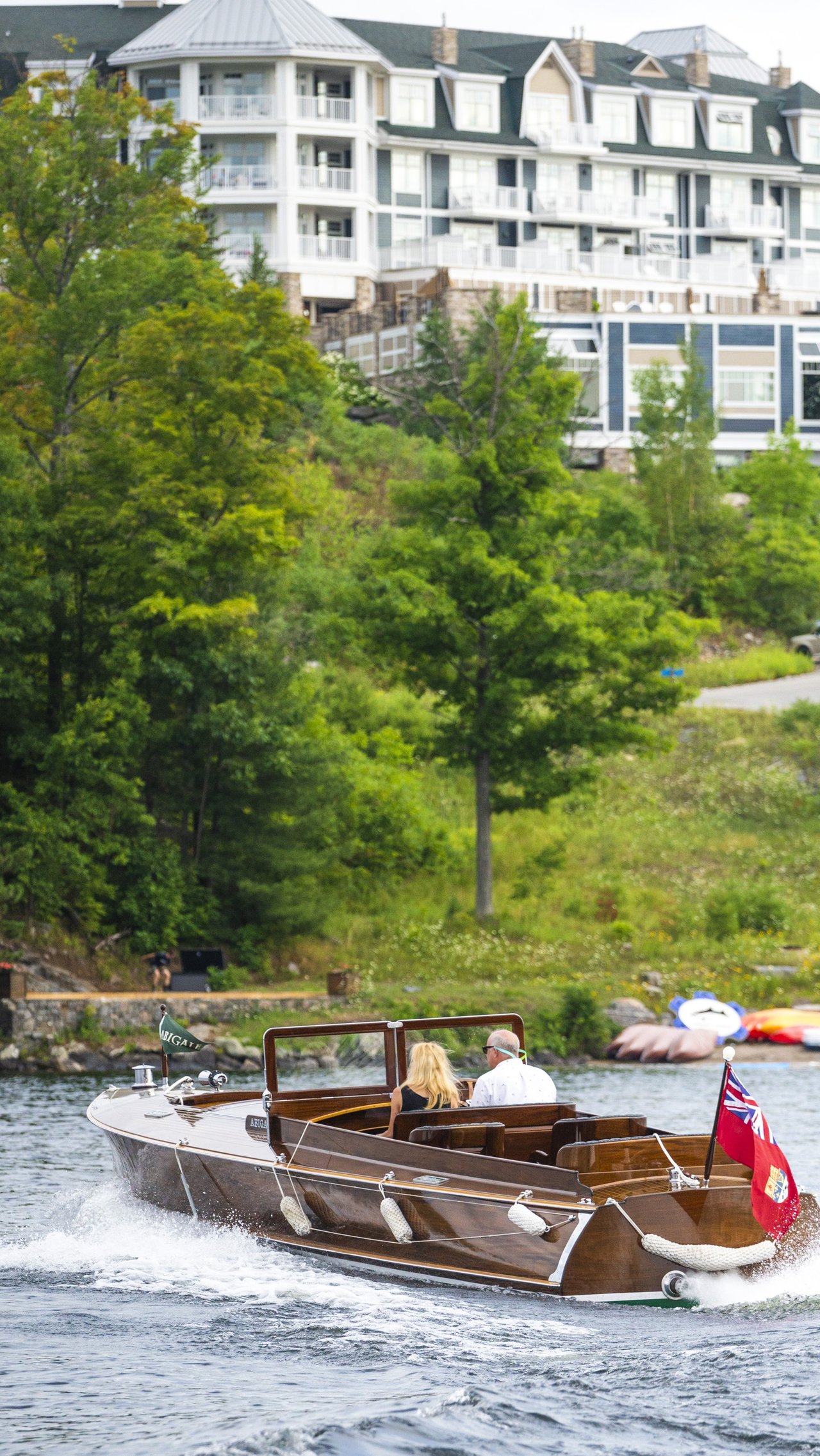
The community embraces both tradition and evolution. Historic wooden boats still cruise alongside modern wake-surf vessels and luxury pontoons. Century-old cottages with original boathouses stand near contemporary architectural statements featuring walls of glass and sustainable design elements. This diversity extends to the population itself, which includes multi-generational cottage families who have summered on the lake for decades alongside new arrivals drawn by the region's natural beauty and lifestyle opportunities.
Seasonal rhythms define community life, with the population swelling dramatically from Victoria Day through Thanksgiving as seasonal residents join the smaller year-round community. The Township of Muskoka Lakes reported a permanent population of approximately 7,000 residents that expands to over 25,000 during peak summer months. This seasonal surge creates a dynamic social environment where connections form quickly during concentrated summer months, then maintain through winter reunions and off-season gatherings. The community's inclusive character welcomes newcomers while honoring the traditions and relationships built over generations of shared summers on the lake.
Waterfront living on Lake Rosseau represents the pinnacle of Ontario cottage country experience, offering direct access to the lake's crystal-clear waters from properties that range from intimate family retreats to expansive estate compounds. The 151 kilometers of shoreline accommodate diverse ownership patterns, from modest three-season cottages tucked into quiet bays to multi-million-dollar properties featuring main residences, guest houses, and boathouses that rival urban mansions in scale and luxury. The highly developed shoreline means opportunities for new builds are increasingly rare, with vacant lots commanding premium pricing when they occasionally become available.
The waterfront lifestyle centers on the private dock, which serves as the transition point between land and lake that defines daily activity. Most properties include substantial dock systems with boat lifts, swimming platforms, and seating areas designed for enjoying the water views. The sounds of lakeside living—waves lapping against the shoreline, boats bumping gently against docks, the distant hum of watercraft, and the evening chorus of wildlife—create a sensory environment that residents describe as therapeutic and deeply connected to nature.
Lake Rosseau's water quality supports an active swimming culture, with residents taking daily dips from docks and beaches throughout the summer season. The lake's oligotrophic classification indicates low nutrient levels and high water clarity, typically averaging 5.4 meters visibility. Waterfront properties often feature private sandy beach areas, swimming docks with diving platforms, and water access ladders designed for easy entry and exit. The lake's relatively warm surface temperatures during summer months make extended swimming comfortable, while the deep, cool waters below provide refreshing relief during heat waves.
Privacy considerations vary significantly across the lake based on location, shoreline orientation, and proximity to high-traffic areas. Properties in sheltered bays away from main channels typically experience calmer waters and less boat traffic, making them preferred locations for families with young children and those prioritizing peaceful water activities like paddleboarding and kayaking. Conversely, properties near resorts, marinas, or the connecting waterways to Lakes Joseph and Muskoka may experience higher boat traffic and wake disturbance but offer the benefit of social proximity and easier access to services.
Year-round waterfront living has increased as more cottages undergo conversions to four-season residences with winterized systems and modern insulation. Winter transforms the lake into a frozen landscape suitable for snowshoeing, cross-country skiing, and ice fishing, though water levels are typically drawn down in anticipation of spring melt. The seasonal cycle creates distinct waterfront experiences: the explosive green of spring, the active warmth of summer, the spectacular colors of fall reflected on the water's surface, and the serene white stillness of winter when the lake freezes solid enough for foot and snowmobile traffic in protected bays.
Lake Rosseau serves as a natural playground for water-based recreation, with activities spanning the spectrum from peaceful paddling to high-energy watersports. The lake's substantial size accommodates all manner of watercraft simultaneously, with sufficient space for sailing regattas, wakeboarding sessions, fishing expeditions, and leisurely pontoon cruises to coexist without significant conflict. The interconnected waterway system extending to Lakes Joseph and Muskoka through the Port Carling locks and Port Sandfield channel enables extended boating excursions covering dozens of kilometers.
Fishing ranks among the lake's most popular activities, supported by diverse fish populations thriving in the deep, cold waters. Lake Rosseau is classified as one of the largest and best lake trout lakes in Parry Sound District, possessing excellent habitat and supporting substantial primarily winter fisheries. Species present include lake trout, lake whitefish, cisco, walleye, smallmouth bass, largemouth bass, muskellunge, northern pike, burbot, and black crappie. The lake falls within Fisheries Management Zone 15, with lake trout and brook trout seasons running from January 1 through September 30 and specific daily catch limits applying to each species.
Summer watersports thrive throughout the warm months, with waterskiing, wakeboarding, wake surfing, tubing, and jet skiing all popular among residents and visitors. SWS Muskoka operates facilities on Lake Rosseau offering lessons, rentals, and their renowned ski shows featuring Team Canada athletes performing at Windsor Park in Bala on Tuesday evenings during July and August. Paddleboarding and kayaking have grown significantly in popularity, with the lake's calmer bays and island-dotted waters providing ideal conditions for these quieter pursuits.
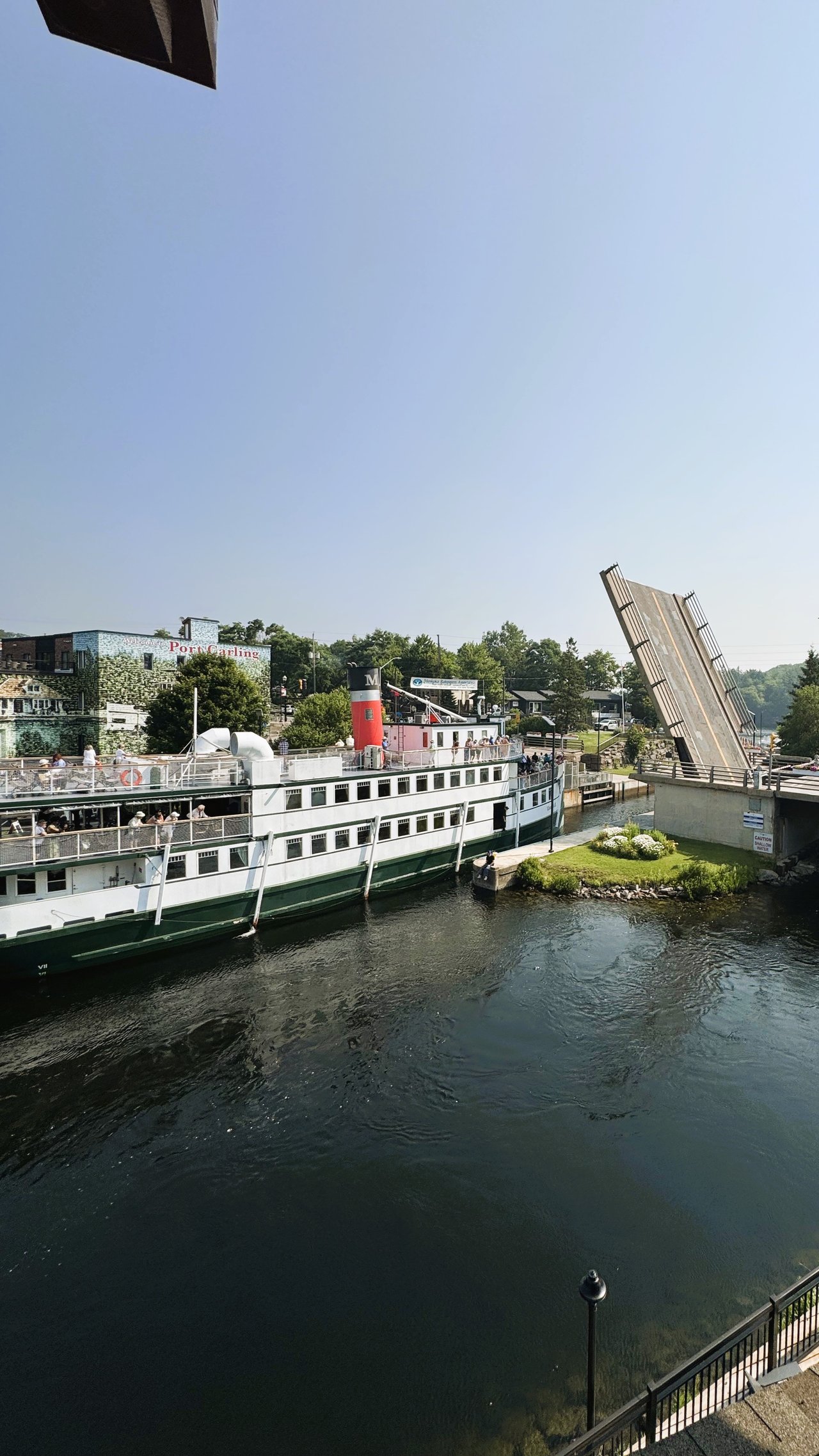
Sunset cruises have become a signature Lake Rosseau experience, with Muskoka Cruises operating 90-minute tours aboard the Lady Rosseau departing from Port Carling. These excursions offer views of prestigious cottage architecture, historic landmarks, and the stunning natural scenery that defines the lake's character. For those preferring self-guided exploration, boat rentals are available from multiple providers, allowing visitors to discover hidden coves, visit the lake's numerous islands, and experience the freedom of navigating these legendary waters.
Golf enthusiasts enjoy access to several courses within easy reach of the lake, including The Rock Golf Course and Rocky Crest Golf Club, both offering challenging play amid the Canadian Shield landscape with dramatic elevation changes and forest settings. The surrounding trails provide extensive hiking and mountain biking opportunities, with Hardy Lake Provincial Park, Huckleberry Rock Lookout, and the Hazelwood Trail among the most popular destinations. The Torrance Barrens Dark Sky Preserve, Canada's first such protected area, offers exceptional stargazing opportunities within a short drive of the lake.
Windermere House stands as Lake Rosseau's most iconic landmark, operating continuously since 1870 as the "Lady of the Lake" overlooking scenic Paton Bay. This Victorian resort has earned its reputation as Muskoka's most prestigious historic hotel, meticulously restored after a 1996 fire to maintain its architectural charm and heritage character. The property features the Rosseau Grill fine dining restaurant, the casual Windermere Pub with its lakeside patio, and accommodations ranging from traditional hotel rooms to the private four-bedroom Windermere Cottage. The resort's stone verandah has welcomed generations of guests seeking the quintessential Muskoka resort experience.
The JW Marriott The Rosseau Muskoka Resort & Spa occupies the site of historic Paignton House, which opened in 1894 to serve fishermen and farmers before evolving into a seasonal vacation destination. The modern luxury resort, which opened in 2008, sits atop a granite bluff overlooking Lake Rosseau in Minett and features 221 rooms, multiple award-winning restaurants including Teca and the Muskoka Chophouse, a full-service spa, and a distinctive swim-through indoor-outdoor pool. The foundation of the original Paignton House remains visible from the resort's rooftop terrace, connecting present-day guests to the property's 130-year hospitality heritage.
Tobin Island, the largest island on Lake Rosseau, represents a significant landmark and exclusive residential enclave. The island features numerous cottages including properties associated with prominent Canadian families, and its scenic trails and sweeping views make it a popular destination for boaters circumnavigating the lake. The Tobin Island Boathouse, featuring Japanese-influenced architectural design integrated with the natural landscape, has earned recognition as a unique architectural achievement within Muskoka's distinctive boathouse tradition.
Port Carling serves as the historic hub connecting the Muskoka Lakes system, with its navigation lock representing essential heritage infrastructure enabling passage between Lake Rosseau and Lake Muskoka. The Port Carling Wall, a remarkable mosaic created from over 9,000 individual photographs depicting the image of the RMS Sagamo passing through the locks, celebrates the region's steamship heritage. The Muskoka Lakes Museum in Port Carling houses artifacts and exhibits exploring the area's Indigenous heritage, logging history, steamship era, and cottage culture evolution. The museum provides essential context for understanding how Lake Rosseau developed into the destination it remains today.
The Village of Rosseau at the lake's northern tip preserves the character of a 19th-century Muskoka settlement with its historic Rosseau General Store, arts and crafts shops, and renovated waterfront park featuring new boat launches, docks, pavilion, and public beach facilities. The village hosts the annual Rosseau Fall Fair in late August and serves as the gateway to the Rosseau-Nipissing Road, a historic colonization route commemorated by an Ontario Historical Plaque recognizing its role in the province's development. Georgian Bay Airways offers floatplane tours from the Rosseau waterfront, providing aerial perspectives of the lake and surrounding landscape.
Lake Rosseau's dining scene reflects the region's evolution from rustic cottage country to sophisticated resort destination while maintaining the casual warmth essential to the Muskoka experience. Fine dining options anchor the culinary landscape, led by the Rosseau Grill at Windermere House offering creative cuisine and lake views in an elegant Victorian setting. The JW Marriott The Rosseau provides multiple options including Teca featuring authentic Italian cuisine, the Muskoka Chophouse serving Certified Angus Beef and earning Wine Spectator Awards of Excellence, and the Cottages Restaurant offering classic lakeside dining. Crossroads Restaurant in the Village of Rosseau delivers casual fine dining with expertly prepared dishes in an intimate atmosphere.
Casual waterfront dining provides essential gathering spots where cottage families and visitors alike converge for relaxed meals and social connection. Turtle Jack's in Port Carling offers family-friendly pub fare with an expansive waterfront patio and extensive boat docking for those arriving by water. The Windermere Pub provides casual plates and lake views in a historic setting. PIE Wood Fire Pizza, Coop Wicked Chicken, Gato Gato, and Beveragino contribute to Port Carling's diverse dining options, while Tulo's Taqueria delivers Mexican-inspired cuisine in a lively atmosphere.
The Rosseau Farmers Market operates every Friday throughout summer at the Rosseau Waterfront Park, drawing thousands of visitors weekly with over 80 permanent vendors supplemented by guest vendors. This independently run cooperative has grown from a small community initiative into one of Muskoka's premier markets, featuring fresh local produce, artisan foods including legendary butter tarts and Alsace crepes, handcrafted jewelry, pottery, artwork, and live entertainment. The market's waterfront location allows access by boat or floatplane, with a shuttle bus connecting to the village. An annual Thanksgiving Market extends the season with special fall offerings.
Shopping throughout the Lake Rosseau area emphasizes local character and cottage country lifestyle needs. Port Carling's downtown features boutiques, antique shops, galleries, and specialty retailers offering everything from fine home goods to boating accessories. The Port Carling Farmers Market provides additional local shopping opportunities. The Village of Rosseau maintains its historic character with arts and crafts shops, antique stores, and the famous Rosseau General Store operating since the late 19th century. Muskoka Living Interiors in Port Carling specializes in cottage furnishings and decor reflecting the distinctive Muskoka aesthetic.
Essential services support year-round and seasonal living throughout the Lake Rosseau area. Multiple marinas provide fuel, boat service, storage, and launch facilities, with SWS Boatworks maintaining locations in Minett and Port Carling offering comprehensive marine services including sales, repairs, and rentals. Grocery stores, LCBO outlets, and pharmacy services are available in Port Carling and surrounding communities. Healthcare access requires travel to Bracebridge or Huntsville for hospital services, though local clinics serve routine medical needs. Banking, postal services, and professional offices maintain presence in the larger service centers within reasonable driving distance of the lake.
Lake Rosseau anchors the premium tier of Muskoka's luxury real estate market, consistently commanding among the highest prices in Ontario's cottage country alongside its Big Three companions, Lake Joseph and Lake Muskoka. Waterfront properties typically range from $1.8 million to $8 million or more depending on location, exposure, frontage, and property characteristics, with ultra-premium estates occasionally reaching the $15 million to $23 million range. The highest recorded sale in 2025 reached $15.15 million for a property on Stephen Road featuring 8 bedrooms, 9 bathrooms, 7,000 square feet of living space on 10.5 acres with 800 feet of shoreline.
The 2025 market reflects a period of stabilization following the pandemic-era surge and subsequent cooling. Cottage prices in the $1 million to $2.5 million range have shown modest growth of 2 to 4 percent, while luxury properties above $4 million remain sought-after but face increased price sensitivity among high-net-worth buyers. Months of inventory have risen above 12 by Q3 2025 compared to 10.2 months at the close of Q1 2024, indicating a buyer's market that offers potential opportunities for those seeking entry to the Lake Rosseau lifestyle. Days on market have trended upward, giving purchasers more time to evaluate options and negotiate terms.
Lake Rosseau's real estate market benefits from its distinctive combination of natural beauty, historic prestige, and active social scene centered on iconic resorts like Windermere House and the JW Marriott. Properties near these social hubs and the connecting waterways to Lakes Joseph and Muskoka command premiums for their convenience and lifestyle opportunities. Conversely, properties in quieter, more secluded bays attract buyers prioritizing privacy and calm waters for family activities. Understanding the heritage and community culture of specific bays and points proves essential for matching properties with buyer preferences and long-term satisfaction.
The highly developed shoreline means new construction opportunities are increasingly rare, with vacant lots commanding substantial premiums when they become available. Most transactions involve existing cottages ranging from vintage properties requiring updating to turnkey estates featuring modern amenities. The trend toward compound-style properties continues, with many premium listings including main residences, guest houses, and boathouses that function as self-contained retreats capable of accommodating extended family and frequent entertaining. Four-season conversions have expanded year-round living options, though seasonal properties remain prevalent.
Exclusive listings remain common in the luxury segment, with some high-end transactions occurring outside the MLS system through private networks. Working with agents specializing in Lake Rosseau real estate provides access to off-market opportunities and essential local knowledge regarding specific bays, building restrictions, and community dynamics. The Muskoka Lakes Association and Township of Muskoka Lakes maintain development guidelines that influence property potential and help preserve the lake's character. Due diligence should include review of shoreline road allowances, septic system capacity, and any existing heritage designations that may affect renovation or construction plans.
Lake Rosseau's architectural landscape spans more than 150 years of cottage design evolution, from Victorian-era summer estates to contemporary glass-and-stone masterpieces, creating a diverse built environment that reflects changing tastes while maintaining essential connections to the natural landscape. Traditional Muskoka cottage architecture dominates the historic core, characterized by natural materials native to the region including granite stone, softwood timber elements, wood siding, and wooden interior paneling. Building forms typically feature gable roofs ranging from modest to steep slopes in side gable or cross gable configurations, with gable, shed, and eyebrow dormers providing character and upper-level light.
Interior spatial organization in traditional designs centers on the great room, commonly featuring a stone fireplace, lofty vaulted ceilings with exposed beams, and expansive views toward the waterfront. Chef's kitchens with industrial appliances and welcoming islands have become standard in renovated properties, while maintaining the warm, rustic aesthetic through careful material selection. The "Muskoka room," a screened or glassed porch providing indoor-outdoor living space with lake views, represents an essential element in regional design that appears across architectural styles and eras.
Boathouses represent a distinctive and essential component of Lake Rosseau architecture, ranging from simple single-slip structures to elaborate multi-story buildings incorporating living quarters, guest suites, and entertaining spaces. Traditional boathouse design employs timber crib dock substructures, though modern construction more commonly utilizes welded steel foundations with cedar wood decking. Curved rooflines, elaborate timber framing, and turrets characterize the most distinctive examples. Municipal regulations strictly control boathouse dimensions and placement, typically limiting structures to 650 square feet while requiring adherence to setbacks from high water marks that have been reassessed in response to climate-related water level changes.
Contemporary design has introduced new aesthetic vocabularies to the lake, with some properties departing entirely from traditional Muskoka forms to embrace modernist geometries, floor-to-ceiling glass, and minimalist material palettes. The $23 million estate designed by Ferris Rafauli, the architect behind Drake's Toronto mansion, represents the apex of this trend with its 11,854 square feet of Art Deco-inspired luxury featuring rare natural stones, bronze beams, and custom details including an 18-foot, 3,700-pound bronze-base dining table. Such properties signal Muskoka's evolution from cottage country to luxury retreat destination while sparking ongoing conversations about architectural continuity and community character.
Coastal-inspired design has gained popularity among newer construction, with Nantucket and Hamptons influences appearing in white cedar bevel siding with charcoal trim, wraparound porches, and nautical-themed details. These designs often incorporate the X-motif common to maritime architecture while maintaining the materials and proportions appropriate to the Canadian Shield setting. The diversity of styles contributes to Lake Rosseau's visual interest, with thoughtful examples from each era demonstrating how quality design can honor context while expressing individual vision and contemporary living requirements.
Summer defines Lake Rosseau's identity and draws the majority of seasonal residents and visitors to experience the quintessential cottage country lifestyle. From Victoria Day through Labour Day, the lake transforms into a vibrant community where days fill with swimming, boating, fishing, and water sports while evenings bring spectacular sunsets, lakeside gatherings, and the timeless ritual of watching stars emerge over the water. Temperatures typically range from 20°C to 28°C, creating ideal conditions for extended outdoor activity. The population swells dramatically as seasonal cottages open and resort bookings reach capacity, generating the concentrated social energy that characterizes Muskoka summers.
Fall delivers Lake Rosseau's most visually spectacular season as the surrounding hardwood forests explode in brilliant displays of red, orange, and gold reflected on the lake's glassy surface. The period from late September through mid-October offers exceptional conditions for those who prefer quieter times, with diminished crowds, comfortable temperatures, and breathtaking scenery. The Bala Cranberry Festival celebrates the region's agricultural heritage, while the Rosseau Fall Fair in late August marks the traditional transition point from peak summer to the more contemplative autumn season. Fall fishing can be particularly rewarding as cooler water temperatures bring game fish to accessible depths.
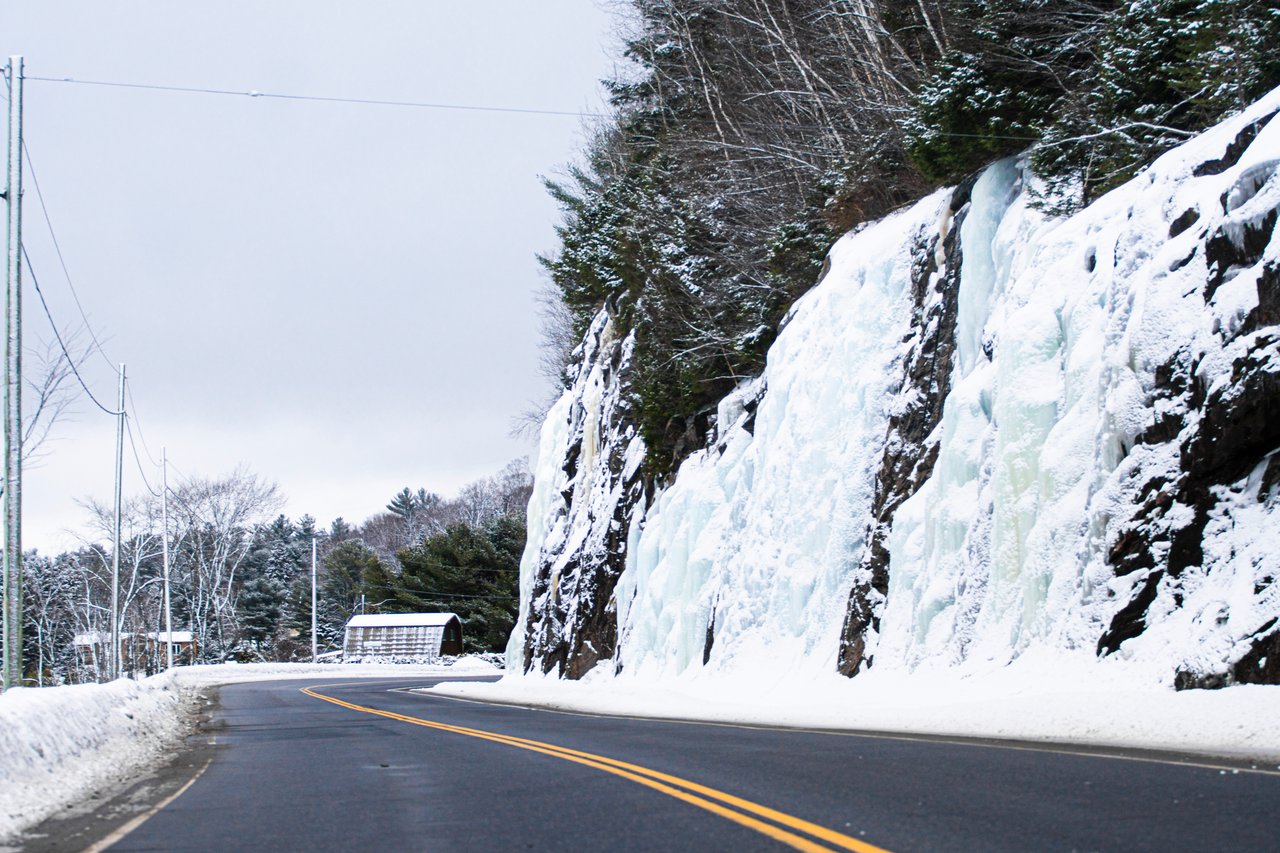
Winter transforms Lake Rosseau into a serene white landscape offering experiences vastly different from the summer bustle. The frozen lake surface supports snowmobiling along trails that crisscross frozen bays, connecting the Muskoka Lakes region through extensive groomed networks maintained by the Muskoka Sno-Bombers and Muskoka Lakes Snow Trails Association. Ice fishing brings anglers back to target lake trout from January through March, continuing a tradition dating to the lake's earliest cottage days. Snowshoeing and cross-country skiing provide access to trails including those at Hardy Lake Provincial Park, the Torrance Barrens, and the groomed trail at Milford Manor Golf Course.
The JW Marriott The Rosseau offers year-round resort experiences including on-site ice skating and snowshoeing during winter months, while nearby Arrowhead Provincial Park features a famous skating trail through the forest. The quieter winter months provide opportunities for reflection and connection that the busy summer season cannot match, with fewer distractions and the profound silence of a frozen landscape. Those who experience Lake Rosseau across all seasons develop a deeper appreciation for the cyclical rhythms that have shaped cottage country culture and continue to draw those seeking meaningful connection with the natural world.
Four-season cottage ownership has grown substantially as more properties undergo winterization and as remote work enables extended stays outside traditional vacation periods. Modern heating systems, proper insulation, and upgraded infrastructure allow comfortable year-round living, though owners must address seasonal maintenance requirements including dock removal, boat storage, water system winterization, and snow management. The year-round community, while smaller than the summer population, maintains essential services and provides social connection during the quieter months when the lake reveals its more contemplative character.
Boating defines Lake Rosseau's essential character, with watercraft serving not merely as recreation but as the primary means of transportation, social connection, and identity expression within the cottage community. The lake's 151 kilometers of shoreline and interconnected waterway system to Lakes Joseph and Muskoka create hundreds of kilometers of cruising opportunities through varied landscapes of granite outcrops, forested islands, historic cottages, and contemporary architectural statements. From vintage wooden launches to modern wake boats, from sailing craft to luxury pontoons, the diversity of vessels on the water reflects the community's range of interests and traditions.
Classic wooden boats hold special status within Lake Rosseau's boating culture, with antique Ditchburn launches, restored Duke Playmates, and vintage Greavettes representing rolling heritage that connects present-day cottagers to the lake's steamship-era origins. Annual boat shows and regattas celebrate this wooden boat heritage, while dedicated craftsmen including Stan Hunter and Rob Gerigs continue building and restoring vessels in the traditional methods. The Muskoka Steamships operate the RMS Segwun, built in 1887 as North America's oldest operating steamship, and the more modern Wenonah II, offering public cruises that recreate the golden age of Muskoka navigation.
Modern marina facilities throughout the Lake Rosseau area provide comprehensive services supporting the boating lifestyle. SWS Boatworks operates multiple locations including facilities on both the Lake Rosseau and Lake Muskoka sides of Port Carling, offering sales, service, storage, boat rentals, ski lessons, and their signature ski camps and shows. Port Sandfield Marina, recognized among the Top 100 boat dealers in North America, serves as Muskoka's exclusive Regal dealer and longtime MasterCraft and Mercury representative. Muskoka Lakes Marine at the top of Lake Rosseau in Rosseau Village provides seven-day-a-week service for northern lake residents.
Public boat launches at Rosseau Village, Port Carling, and Skeleton Bay provide essential access points for those without private waterfront, while the navigation lock at Port Carling enables passage between Lake Rosseau and Lake Muskoka. The lock operates seasonally with boats passing through under the watchful eyes of visitors who gather to observe the waterway engineering that has connected the lakes since 1871. Gas docks are strategically located throughout the lake system, with ethanol-free marine fuel available at SWS Boatworks Port Carling and other locations catering to the specific needs of boat engines.
Boating etiquette and safety considerations shape responsible enjoyment of the lake's waters. Wake awareness has grown increasingly important as wake-surf boats generate substantial waves that can impact shorelines, docks, and swimmers in narrow bays. Speed limits apply in designated zones, and operators should exercise particular caution in the connecting channels and narrows where boat traffic concentrates. The Muskoka Lakes Association advocates for responsible boating practices that protect both the natural environment and the enjoyment of all lake users, recognizing that the waterways represent shared resources requiring collective stewardship.
Hardy Lake Provincial Park provides the most accessible wilderness hiking experience near Lake Rosseau, located off Highway 169 east of Torrance. This non-operating park encompasses pristine Canadian Shield landscapes characteristic of the Muskoka region, with rugged rocky outcrops, dense hardwood forests, and picturesque shorelines surrounding Hardy Lake and touching portions of Lake Muskoka. The trail system includes a 3-kilometer loop offering moderate difficulty terrain that traverses rocky outcrops, natural shorelines, and forested areas, while the 8-kilometer loop circles the entire lake with magnificent views of untouched shoreline considered wilderness-grade terrain suitable for experienced hikers.
The Hazelwood Trail connects Port Carling to Port Sandfield along the historic route used by pioneer families who settled on Lake Rosseau in the 19th century. This 2.5-kilometer trail includes moderate to steep climbs through mature hardwood forest, passing between spectacular granite bluffs before reaching a large beaver pond known for exceptional bird life. The trail honors the Hazelwood family, early settlers who took this path regularly to reach Port Carling. In winter, the trail provides excellent snowshoeing opportunities through the snow-covered forest landscape.
The Torrance Barrens Conservation Reserve encompasses nearly 5,000 acres of one of Muskoka's most striking geological areas, designated as the world's first permanent Dark Sky Reserve. The lunar landscape features low ridges of Precambrian bedrock separated by wetland and peat-filled hollows, creating an otherworldly environment marked by stone cairns and white trail markers. The reserve offers exceptional stargazing opportunities free from light pollution, drawing astronomy enthusiasts and those seeking to experience the night sky as our ancestors knew it. Trails marked on rocks and metal signs guide visitors through this unique terrain.
The Fish Hatchery Trail winds past the stream and ponds of a former provincial fish hatchery that operated until the early 1990s producing trout fingerlings for release into local waterways. Ten interpretive signs provide information about different habitats, flora, and fauna while offering conservation advice. The naturalized hatchery ponds now support wildlife populations and provide educational opportunities for understanding the region's environmental heritage. The Skeleton Lake Fish Hatchery Trail similarly offers nature interpretation along restored waterways.
The Township of Muskoka Lakes maintains trail systems throughout the region with maps and information available through the Muskoka Trails Council. The Lake Rosseau cycling loop spans 66 kilometers circumnavigating the lake along regional roads, recommended in counter-clockwise direction to manage the larger hills more easily. Huckleberry Rock Lookout provides magnificent scenic views from rocks over a billion years old where glaciation, timber harvesting, erosion, and fire have exposed pink granite surfaces. These varied outdoor spaces ensure that residents and visitors can experience the natural heritage of the Lake Rosseau region through every season and activity preference.
Educational options serving the Lake Rosseau area reflect the region's unique character combining year-round community needs with programs attracting families from across Canada and internationally. Rosseau Lake College stands as the area's most distinctive educational institution, an independent co-educational day and boarding school established in 1967 on a 56-acre lakefront campus with over 3,000 feet of shoreline directly on Lake Rosseau. The school serves grades 7 through 12 with an innovative program integrating outdoor education into all aspects of student life, including climbing, paddling, hiking, and camping experiences that would be impossible in traditional classroom settings. The intentionally small school environment ensures meaningful relationships and deep engagement with both curricular and co-curricular activities.
Public education falls under the Trillium Lakelands District School Board, which encompasses Muskoka, Haliburton County, and the City of Kawartha Lakes with seven secondary schools, 41 elementary schools, and adult education centers. Bracebridge and Muskoka Lakes Secondary School serves the secondary student population from the broader Lake Rosseau area. The Simcoe Muskoka Catholic District School Board provides Catholic education options with elementary and secondary schools in Bracebridge and Huntsville. The Near North District School Board covers the northern portions of Muskoka including MacTier.
Private school options beyond Rosseau Lake College include Dewey Institute in Bracebridge, which acquired the former Nipissing University campus in 2018 to provide online education, high school, and ESL programs for international students in Muskoka's learning-focused environment. Families seeking specialized educational approaches often commute to schools in Barrie, Orillia, or the Greater Toronto Area, with some students boarding at institutions serving the cottage country region.
Healthcare services require travel to Bracebridge or Huntsville for hospital care, with South Muskoka Memorial Hospital in Bracebridge and Huntsville District Memorial Hospital providing emergency and inpatient services. Local medical clinics serve routine healthcare needs in the larger service centers. The District Municipality of Muskoka coordinates social services, childcare, and senior services throughout the region.
Recreational amenities beyond the lake include the Muskoka Lakes Farm & Winery offering tours of cranberry operations, wine tastings, and seasonal experiences including skating around the cranberry marsh in winter. Aspen Valley Wildlife Sanctuary in Rosseau provides refuge for black bears, Canadian lynx, and other mammals while offering educational programming. Santa's Village theme park near Bracebridge delivers family entertainment. Cultural attractions include the Muskoka Discovery Centre in Gravenhurst featuring steamship heritage exhibits and the Algonquin Theatre presenting performing arts programming. The proximity of Algonquin Provincial Park provides access to extensive wilderness recreation including world-class canoeing and camping.
Lake Rosseau attracts a distinctive demographic profile reflecting its position as Ontario's premier cottage country destination and its reputation as the "Hamptons of the North." The community encompasses multi-generational cottage families who have summered on the lake for decades, high-net-worth professionals and entrepreneurs acquiring properties as lifestyle investments, retirees transitioning former seasonal cottages to year-round residences, and international visitors drawn by the region's natural beauty and celebrity associations. The Township of Muskoka Lakes maintains a permanent population of approximately 7,000 that swells to over 25,000 during peak summer months.
Celebrity ownership has contributed significantly to Lake Rosseau's prestige and global recognition. Goldie Hawn and Kurt Russell owned their Lake Rosseau cottage known as "Rivers of Rosseau" from 1996 until selling in 2015, spending summers with family including Kate Hudson and entertaining their extensive Hollywood network. Comedian Martin Short maintains a cottage on the lake, which he has called "staggeringly beautiful" and featured on a commemorative Royal Canadian Mint coin. Tom Hanks reportedly acquired a Lake Rosseau property after being introduced to the area by Russell and Hawn. Steven Spielberg and other entertainment industry figures have been associated with Muskoka properties, though many high-profile residents prioritize discretion.
Canadian business leaders maintain strong presence on Lake Rosseau, with the late Ted Rogers having constructed a sprawling estate on Tobin Island that became symbolic of his influence in Canadian media and telecommunications. International entrepreneurs and executives from technology, finance, and real estate sectors have increasingly discovered the lake's appeal as a retreat accessible from Toronto's business infrastructure while offering complete separation from urban intensity. Professional athletes including NHL players and their families have established seasonal residences, contributing to a community that spans the highest levels of Canadian and international achievement.
The year-round community includes service industry professionals supporting the seasonal economy, tradespeople maintaining the substantial cottage infrastructure, hospitality workers staffing resorts and restaurants, and retirees who have converted cottages to permanent homes. This permanent population maintains essential services during winter months and provides continuity between busy summer seasons. Real estate professionals, property managers, and contractors play essential roles bridging seasonal owner needs with local expertise and availability.
Visitors seeking the Lake Rosseau experience without ownership rent cottages through services ranging from Airbnb to luxury agencies catering to ultra-high-net-worth clients. The JW Marriott The Rosseau and Windermere House provide resort accommodations attracting travelers from across North America and internationally. The Rosseau Farmers Market draws thousands of visitors weekly during summer, including day-trippers from Toronto and other Ontario population centers. This constant flow of visitors sustains the local economy while introducing potential future residents and purchasers to the lifestyle that has defined Lake Rosseau for over a century.
Lake Rosseau represents the pinnacle of Ontario cottage country living, offering a rare combination of natural beauty, historic prestige, and community vitality that distinguishes it even among Muskoka's legendary Big Three lakes. The crystal-clear waters, dramatic Canadian Shield landscape, and 151 kilometers of varied shoreline provide the physical foundation for a lifestyle centered on connection—to nature, to family, to tradition, and to a community of like-minded individuals who have chosen this remarkable place as their retreat from the demands of modern life.
The lake's distinctive character emerges from its balance of exclusivity and accessibility. Unlike some neighboring lakes known primarily for extreme privacy or celebrity compounds, Lake Rosseau maintains vibrant social hubs through its historic resorts, active villages, and community organizations that create opportunities for connection while respecting the privacy essential to cottage country appeal. The iconic Windermere House and JW Marriott The Rosseau anchor a hospitality tradition dating to the 1870s, providing gathering places that enhance rather than diminish the private cottage experience.
Investment in Lake Rosseau real estate represents participation in a limited-supply market with demonstrated long-term value preservation. The highly developed shoreline means new opportunities are increasingly rare, while the established community and infrastructure ensure that properties retain their desirability across market cycles. The lake's celebrity associations and media profile as the "Hamptons of the North" contribute to sustained interest from high-net-worth purchasers, while the authentic cottage culture and natural beauty provide more fundamental value that transcends trend or fashion.
Practical considerations favor Lake Rosseau as well. The two to two-and-a-half hour drive from Toronto provides genuine escape without excessive travel burden. The interconnected waterway system to Lakes Joseph and Muskoka expands recreational range dramatically. Year-round accessibility through four-season conversions enables extended enjoyment beyond traditional summer months. The established service infrastructure ensures that properties can be maintained and enjoyed without the challenges of more remote locations.
Ultimately, Lake Rosseau offers something increasingly rare in the modern world: a place where time moves differently, where generations gather to create shared memories, where the natural world remains dominant despite human presence, and where a community has preserved essential values across more than 150 years of cottage country tradition. Whether seeking a seasonal retreat, a year-round residence, or an investment in one of Ontario's most prestigious addresses, Lake Rosseau delivers an experience that transforms property ownership into genuine belonging within one of North America's most distinctive and desirable communities.
Hire an experienced local Realtor
Above the shimmering waters, where the sun kisses granite shorelines and the forests whisper centuries of stories — your dream begins.
This is Muskoka — Ontario’s cottage country jewel.
Life looks different from up here. Here, time slows down.
The rhythm of the water becomes your heartbeat.
Nature sings here, and somehow, you start to hear yourself again.
Muskoka is more than a place. It’s a feeling. A sanctuary. A reset. A legacy.
Discover Ontario’s Most Loved Cottage Regions—from Muskoka to The Kawarthas and Beyond
Looking to buy or sell a cottage property? Let us elevate your real estate expectations. Whether it’s determining current value, crafting a competitive offer, or negotiating a win.