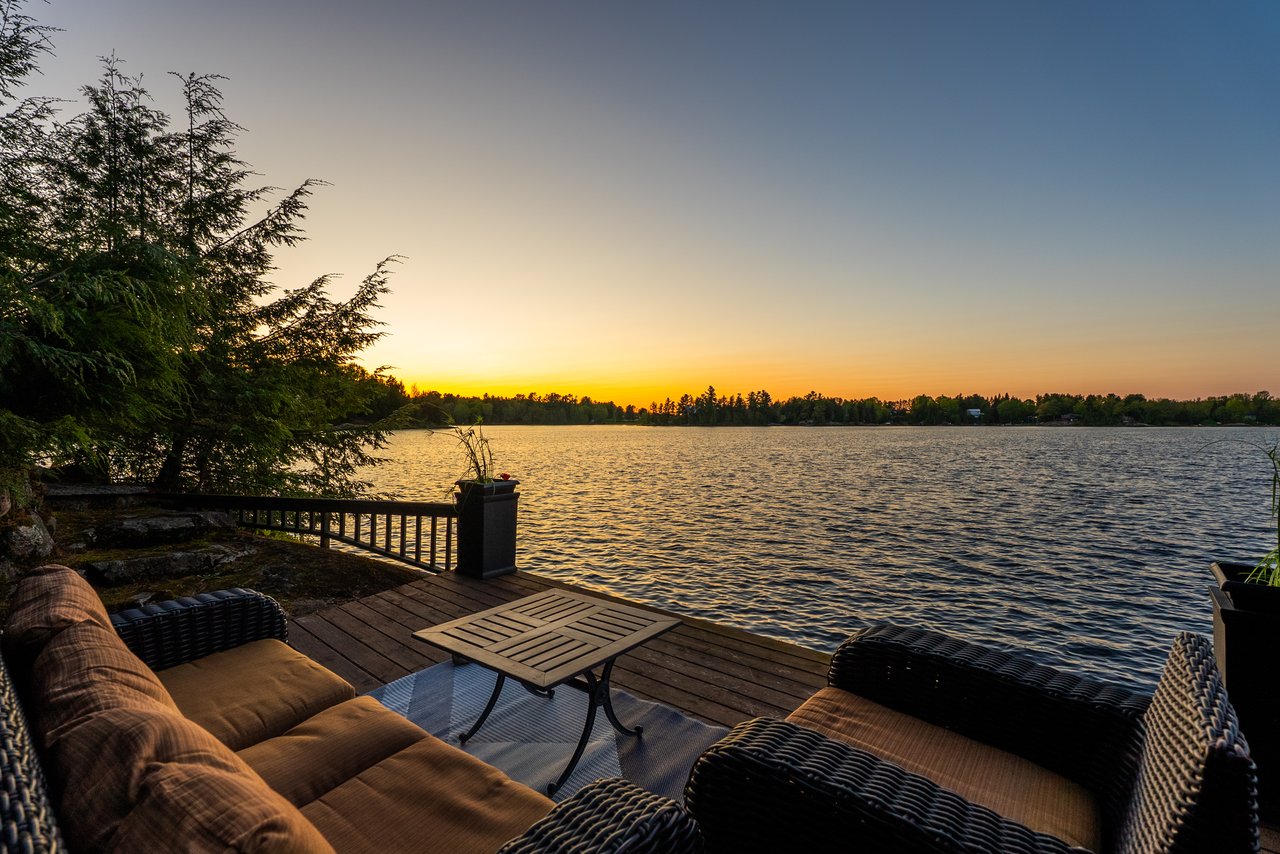
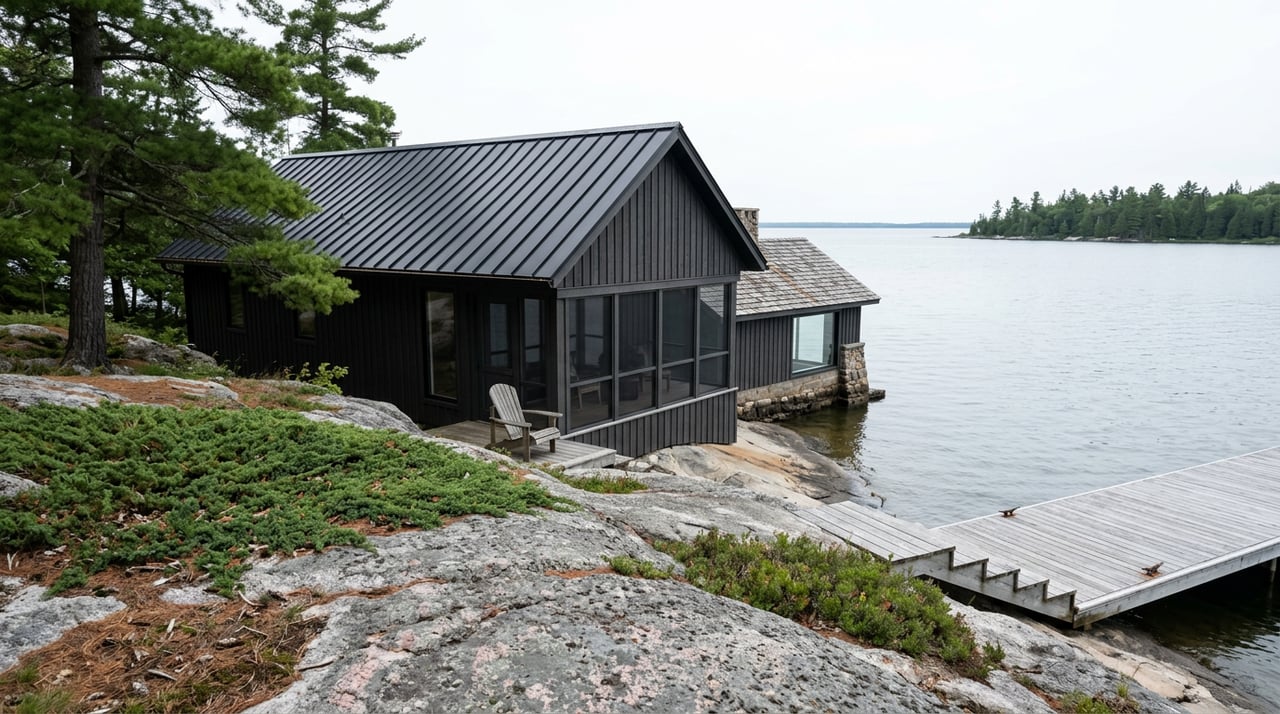
Ontario’s cottage country encompasses thousands of lakes and stretches of scenic shoreline, offering a range of accommodations from rustic hideaways to contemporary retreats. Buying a cottage is not only an emotional investment but also a financial one that requires careful preparation and understanding of how lenders view recreational and secondary properties.
Cottage financing in Ontario operates differently from traditional home mortgages, with lenders weighing factors such as accessibility, utilities, and seasonal use. Whether you’re drawn to a winterized lakefront retreat or a seasonal getaway, the right financial strategy will help ensure your cottage purchase aligns with both lifestyle and long-term goals.
What Are the Key Takeaways for Ontario Cottage Buyers?
-
Accessibility, utilities, and year-round usability influence financing options for Ontario cottages.
-
Mortgage types should align with your intended use — personal, seasonal, or rental.
-
Larger down payments can lead to stronger negotiating power and better interest rates.
-
Taxes, insurance, and maintenance costs vary widely across Ontario’s cottage regions.
-
Home equity or bridge loans can provide flexibility during the buying process.
-
Work with lenders familiar with the province’s luxury and recreational real estate markets.
-
Long-term planning helps protect the value of your investment and ensures future financial flexibility.
What Makes Cottage Financing in Ontario Different?
Cottage financing differs from standard mortgages because lenders evaluate property accessibility, utilities, and seasonal usability. A fully winterized cottage on a maintained road near Lake Rosseau or Lake Joseph is generally viewed as less risky and can qualify for better mortgage terms. In contrast, a seasonal cottage on Georgian Bay that’s only accessible by water may come with higher rates or down payment requirements.
Buyers exploring Ontario cottage real estate should also expect more extensive documentation. Lenders often request proof of assets, income stability, and other mortgage statements, especially when financing secondary homes. They want to ensure the borrower can comfortably manage both properties.
Buyers exploring Ontario cottage real estate should also expect more extensive documentation. Lenders often request proof of assets, income stability, and other mortgage statements, especially when financing secondary homes. They want to ensure the borrower can comfortably manage both properties.
Which Mortgage Structures Work Best for Cottage Buyers?
Most Ontario cottage buyers choose between a conventional mortgage, a vacation property loan, or investment property financing. The right choice depends on how the property will be used. A conventional mortgage suits year-round, winterized cottages in areas like Lake of Bays or Kawartha Lakes, while a vacation loan applies to seasonal homes used part-time.
Those planning to rent their cottage might benefit from investment financing. This option typically comes with stricter qualifications and higher down payments, but allows buyers to count rental income toward their mortgage application. Understanding your property’s intended use is essential for determining the most cost-effective lending path.
Those planning to rent their cottage might benefit from investment financing. This option typically comes with stricter qualifications and higher down payments, but allows buyers to count rental income toward their mortgage application. Understanding your property’s intended use is essential for determining the most cost-effective lending path.
How Much Should You Expect to Pay Up Front?
Down payments for cottages in Ontario depend on the property’s condition and location. Lenders often require a down payment of at least 20 percent, with luxury properties sometimes demanding even more. Cottages on sought-after lakes like Muskoka typically come with larger price tags, meaning higher equity requirements.
A substantial down payment not only secures better rates but also signals financial strength to lenders. Buyers should also budget for additional costs specific to cottage ownership, such as shoreline maintenance, utility installation, or upkeep of private roads. For those purchasing cottages in Northumberland County or Quinte West, preparing these reserves ensures a smoother transition into ownership.
A substantial down payment not only secures better rates but also signals financial strength to lenders. Buyers should also budget for additional costs specific to cottage ownership, such as shoreline maintenance, utility installation, or upkeep of private roads. For those purchasing cottages in Northumberland County or Quinte West, preparing these reserves ensures a smoother transition into ownership.
How Do Interest Rates Affect Ontario Cottage Mortgages?
Interest rates influence both affordability and long-term value. Fixed-rate mortgages provide predictability, an advantage for owners planning to hold their Ontario cottage for many years. Variable-rate mortgages may offer initial savings but can fluctuate with market conditions.
Because cottages are considered higher-risk assets, rates are often slightly higher than those for primary residences. However, borrowers with solid financial profiles can often negotiate favorable terms. Monitoring rate trends and working with a local lender familiar with the Ontario cottage market can lead to more strategic financing outcomes.
Because cottages are considered higher-risk assets, rates are often slightly higher than those for primary residences. However, borrowers with solid financial profiles can often negotiate favorable terms. Monitoring rate trends and working with a local lender familiar with the Ontario cottage market can lead to more strategic financing outcomes.
What Taxes and Insurance Should You Plan For?
Property taxes and insurance differ across Ontario’s cottage regions. Waterfront cottages generally fall into higher tax brackets due to property value and lot size. Buyers should plan for these recurring expenses early in the process.
Insurance coverage for cottages also requires special consideration. Seasonal or remote properties need protection against flooding, storm damage, and extended vacancy periods. Working with an insurer experienced in recreational or waterfront real estate can help buyers avoid coverage gaps that may affect mortgage approval.
Insurance coverage for cottages also requires special consideration. Seasonal or remote properties need protection against flooding, storm damage, and extended vacancy periods. Working with an insurer experienced in recreational or waterfront real estate can help buyers avoid coverage gaps that may affect mortgage approval.
Can You Use Home Equity or Bridge Loans for Your Cottage Purchase?
Many Ontario buyers use equity from their primary home to purchase a cottage. A home equity line of credit (HELOC) can serve as a flexible financing tool, especially for buyers upgrading to properties in Kawartha Lakes or Haliburton. Others may use bridge financing to cover timing gaps between selling one property and closing on another.
Equity-based financing provides liquidity for upgrades, furniture, or immediate repairs. Lenders typically require a clear repayment plan and significant home equity; however, this approach can simplify complex transactions and make it easier to secure high-value properties, such as cottages.
Equity-based financing provides liquidity for upgrades, furniture, or immediate repairs. Lenders typically require a clear repayment plan and significant home equity; however, this approach can simplify complex transactions and make it easier to secure high-value properties, such as cottages.
How Do Lenders Approach Luxury Cottage Properties?
High-end cottage purchases often involve specialized lenders familiar with the Ontario luxury real estate market. These institutions understand the nuances of properties in Muskoka, Lake Joseph, and Lake Rosseau, where multi-million-dollar homes require tailored financial solutions.
These lenders may offer custom loan structures, higher loan-to-value ratios, and extended amortization schedules. Buyers benefit from working with mortgage advisors experienced in the Ontario cottage market, who can coordinate with local appraisers and negotiate competitive rates that reflect a property’s true market potential.
These lenders may offer custom loan structures, higher loan-to-value ratios, and extended amortization schedules. Buyers benefit from working with mortgage advisors experienced in the Ontario cottage market, who can coordinate with local appraisers and negotiate competitive rates that reflect a property’s true market potential.
How Should You Plan for Long-Term Ownership?
Owning a cottage in Ontario involves ongoing expenses that extend beyond the initial purchase. Buyers should budget for property management, seasonal maintenance, and capital improvements that protect long-term value. Homes on Lake of Bays or Kawartha Lakes may require dock or shoreline maintenance, while cottages in Haliburton often benefit from regular winterization services.
Long-term owners may also consider refinancing to tap into their equity as property values increase. Others view their cottages as legacy assets, incorporating them into trusts or estate planning. Taking a strategic approach ensures your investment continues to serve both personal and financial goals for years to come.
Long-term owners may also consider refinancing to tap into their equity as property values increase. Others view their cottages as legacy assets, incorporating them into trusts or estate planning. Taking a strategic approach ensures your investment continues to serve both personal and financial goals for years to come.
Purchasing a cottage in Ontario involves striking a balance between lifestyle aspirations and sound financial strategy. By understanding how financing, ownership, and long-term planning intersect, you can make your dream of lakeside living a practical, sustainable reality.
Find the Right Ontario Cottage for Your Lifestyle
Purchasing a cottage in Ontario is about more than financing — it’s about finding a property that aligns with your lifestyle, long-term goals, and how you plan to enjoy cottage country. From luxury waterfront estates to seasonal retreats, understanding both the financial and practical considerations is key to making a confident decision.
At The Janssen Group, we work closely with buyers navigating Ontario’s cottage market, offering informed guidance on financing, location, and long-term value. If you’re considering a cottage purchase anywhere in Ontario, connect with our team to explore your options with clarity and confidence.
Photo by Shoreline Media, courtesy of Drew & Kristin Bishop, The Janssen Group Associates for Haliburton and Kawartha Lakes.